
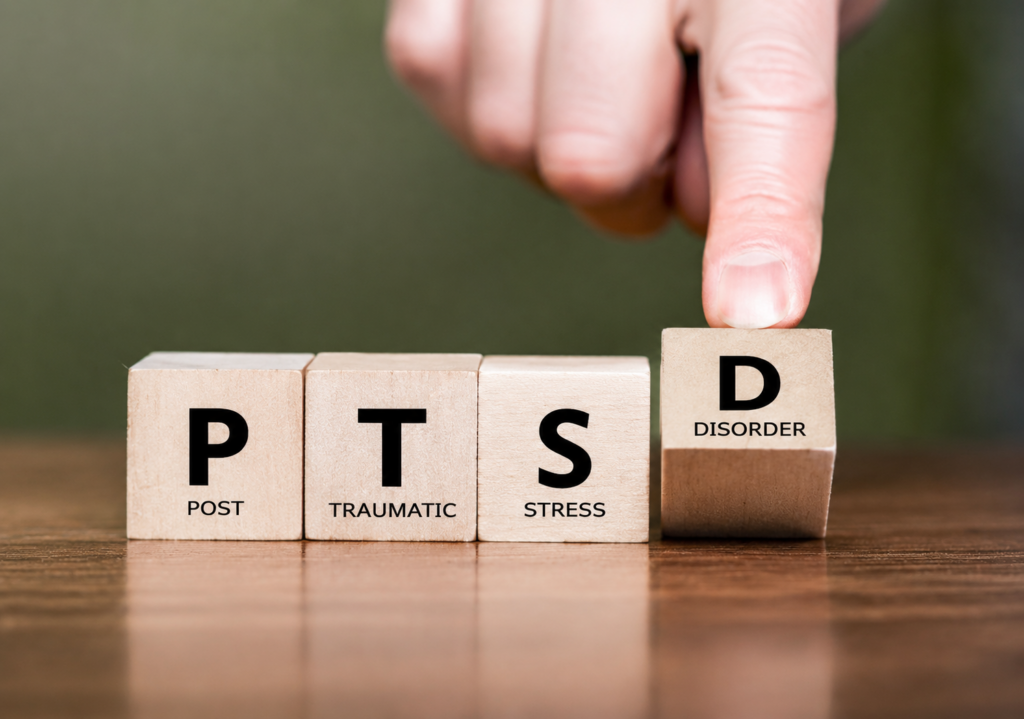
Understanding PTSD
Symptoms may include intrusive memories or flashbacks, difficulty sleeping, hypervigilance, emotional numbness, or feeling disconnected from yourself and others. These are not character flaws. They are the nervous system’s response to experiences it has not yet fully integrated.

Trauma-Informed Care at Twelve Oaks Psychiatry
Trauma-informed care means we understand that healing cannot be rushed, and that feeling safe is a prerequisite for any meaningful work. In practice, this means:
- No forcing. You move at the pace that feels right.
- No re-traumatization. We do not require you to relive experiences in detail to receive care.
- Full collaboration. Your input shapes your treatment plan at every step.
Treatment Options
Telehealth for Trauma Survivors






FAQ
FAQ
What causes PTSD?
PTSD can develop after any experience that overwhelms the nervous system’s ability to process and recover. This includes accidents, loss, medical trauma, childhood experiences, relationship violence, or any event that felt life-threatening or deeply unsafe. It is not limited to combat or disaster, and it is not a character flaw.
What is the difference between PTSD and complex PTSD?
PTSD typically follows a specific traumatic event, while complex PTSD (C-PTSD) tends to develop after prolonged or repeated trauma, often over months or years. Both involve symptoms like intrusive memories and hypervigilance. A psychiatric evaluation can help clarify which pattern fits and what support may help.
How long do PTSD symptoms last?
The length of PTSD symptoms varies widely from person to person. Some people experience symptoms for months, others for years, and severity can rise and fall over time. Symptoms exist on a spectrum, and many people find that symptoms become more manageable with appropriate care and support.
Does everyone who experiences trauma develop PTSD?
No. Most people who experience a traumatic event do not develop PTSD. Reactions to trauma vary, and having difficult responses after a distressing event does not always mean PTSD is present. An evaluation can help clarify what a person is experiencing and whether support is needed.
How is PTSD diagnosed?
PTSD is diagnosed through a clinical evaluation that reviews a person’s symptoms, history, and how those symptoms affect daily life. At Twelve Oaks Psychiatry, this is done with a trauma-informed approach, which means care is never rushed and does not require reliving experiences in detail to receive help.
What is trauma-informed care?
Trauma-informed care recognizes that feeling safe is a prerequisite for meaningful treatment. At Twelve Oaks Psychiatry, this means no forcing a person to move faster than feels right, no requirement to relive experiences in detail, and full collaboration where the patient’s input shapes the treatment plan at every step.
Should I see a therapist or a psychiatric provider for PTSD?
Many people benefit from both. A therapist provides trauma-focused talk therapy, while a psychiatric provider can evaluate symptoms and manage medication when appropriate. Twelve Oaks Psychiatry provides psychiatric care for PTSD and can work alongside an existing therapist to coordinate a person’s broader care.
Can PTSD be treated with medication?
Psychiatric care for PTSD may include medication to help manage specific symptoms such as sleep disturbance, anxiety, or intrusive thoughts, combined with supportive care. Medication is one part of a broader plan. At Twelve Oaks Psychiatry, treatment is coordinated around a person’s full care needs and individual goals.
Is medication required to treat PTSD?
No. Medication is one option, not a requirement. Some people benefit from medication to manage specific symptoms, while others focus on therapy and supportive care. A psychiatric provider can help determine what approach fits an individual, and treatment is always shaped collaboratively rather than imposed.
Can I get PTSD treatment through telehealth in Florida?
Yes. Twelve Oaks Psychiatry offers HIPAA-compliant, end-to-end encrypted telehealth for PTSD and trauma care across all of Florida. For many people carrying trauma, being seen from a familiar, private space feels safer than a waiting room, which can make telehealth a comfortable way to begin care.
Do you treat PTSD in teenagers?
Yes. Twelve Oaks Psychiatry provides psychiatric care for adolescents as well as adults, including trauma-related concerns. Care is trauma-informed and works with families to find the right balance of privacy and support, with telehealth available for teens across Florida who feel more comfortable being seen from home.
Does insurance cover PTSD treatment?
Many insurance plans cover psychiatric evaluation and medication management for PTSD. Twelve Oaks Psychiatry accepts Blue Cross Blue Shield, Aetna, Cigna, UnitedHealthcare and more. Patients are encouraged to confirm their specific in-network benefits directly with their insurer before the first visit.
How much does trauma treatment cost in Florida?
Cost varies by provider and the type of care needed. Twelve Oaks Psychiatry can discuss self-pay options for patients without in-network coverage. Contacting the office directly is the most accurate way to understand pricing for an initial evaluation compared with ongoing care.
How do I get started with PTSD care?
Getting started begins with a confidential evaluation, in person in Cooper City or by telehealth anywhere in Florida. Care moves at a pace that feels right for you, and the provider reviews your history and goals before discussing next steps. You can call (954) 947-1130 to schedule
What should I do in a mental health emergency?
If you or someone else is in immediate danger or thinking about self-harm, call 9-1-1 or go to the nearest emergency room. You can also call or text 988 for the Suicide and Crisis Lifeline. In Florida, 2-1-1 connects you to local crisis support and referrals.